
La crónica de viaje en eBird, el mapa de las principales zonas visitadas, y la lista completa de especies de aves observadas durante este viaje, puede encontrarse en este enlace.
The trip report in eBird, the map showing the main visited locations, together with the complete list of bird species observed in this trip, can be seen in this link.
Hacía tiempo que queríamos viajar a Escocia, con un objetivo muy claro: visitar una de las principales colonias de frailecillos del país. Tras reservar con varios meses de antelación una excursión en barco desde el pintoresco puerto de Anstruther, por fin llegó el día de poner rumbo a la isla de May. Allí tendríamos la oportunidad de desembarcar y recorrer la isla durante unas tres o cuatro horas. La espera mereció totalmente la pena. Incluso antes de llegar, el mar rebosaba de vida, con decenas de aves marinas sobrevolando el barco o flotando sobre las olas. Una vez en tierra, la experiencia fue aún más espectacular: los frailecillos aparecían por todas partes, posados entre las flores o regresando del mar con el pico lleno de peces. Sin duda, una de las mejores experiencias de observación de fauna que hemos vivido.
We had wanted to visit Scotland for a long time, with one main goal in mind: to see one of the country's largest puffin colonies. After booking our boat trip from the picturesque harbour of Anstruther several months in advance, the day finally arrived to set sail for the Isle of May. Once there, we had around three to four hours to explore the island at our own pace. The trip exceeded all our expectations. Even before reaching the island, the sea was teeming with seabirds flying around the boat or resting on the water. Once ashore, the experience became even more memorable. Puffins seemed to be everywhere—popping standing among the wildflowers, or returning from the sea with their bills packed with fish. It was, without doubt, one of the most rewarding wildlife encounters we have ever had.

1. Isle of May NNR.
La Isla de May (Isle of May) es una pequeña isla situada en la entrada del fiordo de Forth, en la costa este de Escocia, muy cerca de Edimburgo. Es una de las reservas naturales más importantes del país y destaca por su extraordinaria biodiversidad. Cada primavera y verano miles de frailecillos, araos, alcas y otras aves marinas anidan en sus acantilados. La isla también alberga una importante colonia de focas grises y cuenta con un faro histórico que ha guiado a los navegantes durante más de dos siglos. Este iba a ser nuestro primer destino y principal de nuestra visita a Escocia.
 Puerto de Anstruther / Anstruther harbour
Frailecillo atlántico / Atlantic puffin (Fratercula arctica)
Frailecillo atlántico / Atlantic puffin (Fratercula arctica)
 Isle of May
Frailecillo atlántico / Atlantic puffin (Fratercula arctica)
Frailecillo atlántico / Atlantic puffin (Fratercula arctica)
Frailecillo atlántico / Atlantic puffin (Fratercula arctica)
Frailecillo atlántico / Atlantic puffin (Fratercula arctica)
Frailecillo atlántico / Atlantic puffin (Fratercula arctica)
Frailecillo atlántico / Atlantic puffin (Fratercula arctica)
The Isle of May is a small island located at the entrance to the Firth of Forth on Scotland's east coast. It is one of the country's most important nature reserves, renowned for its exceptional wildlife. Every spring and summer, thousands of puffins, guillemots, razorbills, and other seabirds breed on its dramatic cliffs. The island is also home to a large colony of grey seals and features a historic lighthouse that has guided ships for more than two centuries. This was our first objective in this trip to Scotland.
Pero la isla es mucho más que un paraíso para los frailecillos. Sus acantilados albergan una extraordinaria comunidad de aves marinas. Entre los alcidos, además de los frailecillos, pudimos observar numerosos araos comunes y alcas comunes ocupando sus repisas de cría. También anidaban allí grandes colonias de gaviotas tridáctilas y charranes árticos, cuyo comportamiento territorial obligaba a los visitantes a permanecer atentos durante el recorrido. Completaban este impresionante espectáculo ornitológico las abundantes gaviotas sombrías, gaviotas argénteas europeas y los imponentes gaviones atlánticos, que patrullaban constantemente la costa.
 Isle of May
Alca común / Razorbill (Alca torda)
Alca común / Razorbill (Alca torda)
Alca común / Razorbill (Alca torda)
Arao común / Common murre or Guillemot (Uria aalge)
Charrán ártico / Artic Tern (Sterna paradisaea)
Charrán ártico / Artic Tern (Sterna paradisaea)
Charrán ártico / Artic Tern (Sterna paradisaea)
 Isle of May
Ostrero euroasiático / Eurasian oystercatcher (Haematopus ostralegus)
Gaviota tridáctila / Black-legged kittiwake (Rissa tridactyla)
Gaviota tridáctila / Black-legged kittiwake (Rissa tridactyla)
Gaviota tridáctila / Black-legged kittiwake (Rissa tridactyla)
Gaviota argéntea europea / European Herring Gull (Larus argentatus)
Gaviota argéntea europea / European Herring Gull (Larus argentatus)
Gavión atlántico / Great black-backed gull (Larus marinus)
Gaviota sombría / Lesser black-blacked gull (Larus fuscus)
Cormorán moñudo / European shag (Gulosus aristotelis)
Cormorán moñudo / European shag (Gulosus aristotelis)
Halcón peregrino / Peregrine falcon (Falco peregrinus)
Halcón peregrino / Peregrine falcon (Falco peregrinus)
 Desierto de La Tatacoa (desierto rojo)
 Mapa de las zonas visitadas en el viaje / Map showing areas visited during the trip
 Localización de Villavieja y el desierto respecto a Neiva
 Recorrido por el malecón (incluye salida en barca) / Route in the malecón (includes boat tour)
 Vistas nocturnas del Río Magdalena desde el malecón / Magdalena river from the malecón (Villavieja)
Hormiguerito coicorita norteño / Northern White-fringed Antwren (Formicivora intermedia)
Hormiguerito coicorita norteño / Northern White-fringed Antwren (Formicivora intermedia)
Bienteveo pitanguá / Boat-billed flycatcher (Megarynchus pitangua)
Turpial coroninaranja / Orange-crowned Oriole (Icterus auricapillus)
 Iguana verde / Common green iguana (Iguana iguana)
 Recorrido por el desierto rojo y zonas cercanas / Route thorough the red desert and nearby areas
 Desierto rojo
Columbina común / Common ground-dove (Columbina passerina)
Batará barrado / Barred antshrike (Thamnophilus doliatus)
Titirijí perlado / Pearly-vented Tody-Tyrant (Hemitriccus margaritaceiventer)
 Desierto rojo
Piojito pardo / Mouse-colored Tyrannulet (Nesotriccus murinus)
Mosquero cardenal / Vermilion flycatcher (Pyrocephalus rubinus)
Perlita tropical / Tropical Gnatcatcher (Polioptila plumbea)
Perlita tropical / Tropical Gnatcatcher (Polioptila plumbea)
 Desierto rojo
Cucarachero currucuchú / Bicolored Wren (Campylorhynchus griseus)
Sisonte tropical / Tropical mockingbird (Mimus gilvus)
Soldadito capirotado / Pileated Finch (Coryphospingus pileatus)
 Lobito verdiazul / Gaige's Rainbow Lizard (Cnemidophorus gaigei)
 Recorrido por el desierto gris y más / Route thorough the grey desert and more
 Desierto gris
Suirirí piquirrojo / Black-bellied whistling-duck (Dendrocygna autumnalis)
Chachalaca colombiana / Colombian Chachalaca (Ortalis columbiana)
Alcaraván venezolano / Double-striped Thick-knee (Hesperoburhinus bistriatus)
Andarríos solitario / Solitary sandpiper (Tringa solitaria)
Garza chiflona / Whistling heron (Syrigma sibilatrix)
Cernícalo americano / American kestrel (Falco sparverius)
 Desierto gris
Eufonia del Magdalena / Velvet-fronted Euphonia (Euphonia concinna)

 Salento, Calle Real
 Salento, Plaza Bolívar
Mapa de las zonas visitadas en el viaje / Map showing areas visited during the trip
 Puntos visitados / Visited locations
 Ruta a través del Valle de Cócora / route through Cocora valley
 Valle de Cócora (ascenso hacia los miradores) (ascent towards the viewpoints)
Pato torrentero / Torrent Duck (Merganetta armata) (macho / male)
Pato torrentero / Torrent Duck (Merganetta armata) (hembra / female)
 Valle de Cócora (ascenso hacia los miradores) (ascent towards the viewpoints)
Garrapatero aní / Smooth-billed ani (Crotophaga ani)
Ibis afeitado / Bare-faced Ibis (Phimosus infuscatus)
 Valle de Cócora (ascenso hacia los miradores) (ascent towards the viewpoints)
Cóndor Andino / Andean Condor (Vultur gryphus)
Carpintero bellotero / Acorn Woodpecker (Melanerpes formicivorus)
Caracara chimachima / Yellow-headed Caracara (Daptrius chimachima)
Caracara chimachima / Yellow-headed Caracara (Daptrius chimachima)
 Valle de Cócora (fondo del valle / valley floor)
Tirano melancólico / Tropical kingbird (Tyrannus melancholicus)
Tijereta sabanera / Fork-tailed Flycatcher (Tyrannus savana)
Zanate caribeño / Carib Grackle (Quiscalus lugubris)
 Jardín Botánico del Quindío
Mango gorjinegro / Black-throated mango (Anthracothorax nigricollis)
Amazilia tzacatl / Rufous-tailed Hummingbird (Amazilia tzacatl)
Zorzal piquinegro / Black-billed Thrush (Turdus ignobilis)
 Jardín Botánico del Quindío
Eufonia piquigruesa / Thick-billed Euphonia (Euphonia laniirostris)
Platanero / Bananaquit (Coereba flaveola)
 Filandia
 Pijao
Pijao
 Pijao
Pijao
 Circasia
 Circasia
Colibrí chivito del Nevado del Ruiz / Buffy Helmetcrest (Oxypogon stuebelii)
Mapa de las zonas visitadas en el viaje / Map showing areas visited during the trip
 Puntos visitados / Visited locations
 Laguna Negra
Cerceta andina / Andean teal (Anas andinum)
 Laguna Negra
Semillero sencillo / Plain-colored Seedeater (Catamenia inornata)
 Centro de Visitantes Brisas
Colibrí chivito del Nevado del Ruiz / Buffy Helmetcrest (Oxypogon stuebelii)
Colibrí chivito del Nevado del Ruiz / Buffy Helmetcrest (Oxypogon stuebelii)
Colibrí chivito del Nevado del Ruiz / Buffy Helmetcrest (Oxypogon stuebelii)
 Frailejones
Tijeral andino / Andean Tit-Spinetail (Leptasthenura andicola)
Yal plomizo / Plumbeous Sierra Finch (Geospizopsis unicolor) (hembra / female)
Yal plomizo / Plumbeous Sierra Finch (Geospizopsis unicolor) (macho / male)
 Frailejones
 Conejo andino / Andean Tapeti (Sylvilagus andinus)
 Vistas / Views
Colibrí de Herrán / Rainbow-bearded Thornbill (Chalcostigma herrani)
Metalura tiria / Tyrian Metaltail (Metallura tyrianthina)
Calzadito de Mosquera / Golden-breasted Puffleg (Eriocnemis mosquera)
Colibrí cobrizo / Shining Sunbeam (Aglaeactis cupripennis)
 Vistas / Views
Inca alihabano / Buff-winged Starfrontlet (Coeligena lutetiae)
Inca alihabano / Buff-winged Starfrontlet (Coeligena lutetiae)
Colibrí aliazul / Great Sapphirewing (Pterophanes cyanopterus)
Colibrí aliazul / Great Sapphirewing (Pterophanes cyanopterus)
 Vistas / Views
Chingolo común / Rufous-collared sparrow (Zonotrichia capensis)
Pinchaflor satinado / Glossy Flowerpiercer (Diglossa lafresnayii)
 Vistas / Views
However, the island is far more than a paradise for puffins. Its cliffs support an extraordinary diversity of seabirds. Alongside the puffins, numerous common guillemots and razorbills were occupying their breeding ledges, while large colonies of black-legged kittiwakes and Arctic terns nested across the island. The latter fiercely defended their nests, occasionally dive-bombing unsuspecting visitors who ventured too close. Completing this remarkable seabird spectacle were large numbers of lesser black-backed gulls, European herring gulls, and the impressive great black-backed gulls, which could be seen constantly patrolling the coastline.
Los paseriformes fueron mucho más escasos durante la visita. Tan solo pudimos observar un solitario bisbita pratense y un puñado de bisbitas costeros, una especie que veía por primera vez. Aunque discretos en comparación con el bullicio de las aves marinas, este encuentro supuso uno de los momentos más especiales de la jornada desde el punto de vista ornitológico.
 Isle of May
Bisbita pratense / Meadow pipit (Anthus pratensis)
Bisbita costero / Rock Pipit (Anthus petrosus)
Bisbita costero / Rock Pipit (Anthus petrosus)
Passerines were much less conspicuous during our visit. We only encountered a single meadow pipit and a small group of rock pipits, the latter being a new species for me. Although they were easily overshadowed by the bustling seabird colonies, seeing rock pipits for the first time made this a particularly memorable moment from a birdwatching perspective.
2. Morton Lochs, Tentsmuir National Nature Reserve.
Los Morton Lochs, situados en el corazón de la reserva natural de Tentsmuir, constituyen uno de los mejores lugares del este de Escocia para observar aves acuáticas. Estos dos lagos de agua dulce, rodeados de bosques y humedales, albergan una gran diversidad de especies durante todo el año, desde anátidas y somormujos hasta rapaces y pequeños paseriformes. Sus cómodos observatorios permiten disfrutar de la fauna sin molestar a los animales, convirtiéndolos en una parada imprescindible para cualquier amante de la naturaleza.
 Morton Lochs
 Morton Lochs
Pico picapinos / Great spotted woodpecker (Dendrocopos major)
 Morton Lochs
Pico picapinos / Great spotted woodpecker (Dendrocopos major)
 Morton Lochs
Located in the heart of the Tentsmuir Nature Reserve, Morton Lochs is one of the best birdwatching sites in eastern Scotland. These two freshwater lochs, surrounded by woodland and wetlands, support a rich variety of wildlife throughout the year, including ducks, grebes, birds of prey, and numerous passerines. Well-positioned hides provide excellent opportunities to observe wildlife without disturbance, making Morton Lochs an essential stop for any nature enthusiast.
martes, 12 de mayo de 2026
AGOSTO 2025: COLOMBIA (9/9) - VILLAVIEJA Y DESIERTO DE LA TATACOA
Etapas del viaje / Trip sections:
Después de visitar la hermosa región de Salento, continuamos nuestra ruta tomando un vuelo desde Pereira hasta Neiva, la capital del departamento del Huila. Una vez allí, alquilamos un nuevo vehículo para seguir explorando el sur de Colombia con total libertad. Desde Neiva emprendimos el trayecto por carretera hacia Villavieja, un recorrido de aproximadamente una hora que atraviesa paisajes secos y abiertos característicos de la región. Este trayecto marca el inicio de la aventura hacia el impresionante Desierto de la Tatacoa. Respecto a este, y aunque se le conoce como desierto, en realidad es un bosque seco tropical con una biodiversidad única. Sus formaciones rocosas rojizas y grises crean un escenario casi extraterrestre. Caminar entre los laberintos naturales es una experiencia inolvidable. Durante el día, el clima cálido y el silencio del entorno invitan a desconectarse del mundo. Al caer la noche, el cielo se transforma en uno de los mejores lugares del país, y probablemente del mundo, para observar estrellas. La Tatacoa también guarda importantes hallazgos fósiles que revelan millones de años de historia natural. Los viajeros pueden disfrutar del senderismo y de la fotografía de unos paisajes espectaculares. La cultura local y la hospitalidad huilense complementan la aventura con autenticidad y tradición. Visitar la Tatacoa es descubrir un rincón mágico donde la naturaleza y el tiempo parecen detenerse. Para explorar la zona, nos alojamos durante tres noches en la Casa Hotel Estelar (entre el 22 y el 25 de agosto). Aunque las infraestructuras de Villavieja son más sencillas en comparación con otros destinos que habíamos visitado en Colombia, el hotel resultó cómodo y agradable para descansar después de cada jornada. Además, alrededor de la plaza principal encontramos varios restaurantes locales, pequeñas tiendas y un ambiente tranquilo que reflejaba el ritmo pausado de la vida en esta región del Huila.
After visiting the beautiful region of Salento, we continued our journey by taking a flight from Pereira to Neiva, the capital city of the Huila department. Once there, we rented a new vehicle to continue exploring southern Colombia with complete freedom. From Neiva, we drove approximately one hour to Villavieja, crossing dry and open landscapes that reflect the unique character of the region. This road trip marks the beginning of the adventure into the breathtaking Tatacoa Desert. This is one of the country’s most extraordinary landscapes. Although it is called a desert, it is actually a tropical dry forest with unique biodiversity. Its red and gray rock formations create an almost otherworldly scenery. Walking through the natural labyrinths is an unforgettable experience. During the day, the warm climate and peaceful atmosphere invite travelers to disconnect from everyday life. At night, the sky becomes one of the best stargazing spots in the country, and probably in the world. Tatacoa is also famous for its fossil discoveries, revealing millions of years of natural history. Visitors can enjoy hiking trails and breathtaking landscape photography. The local culture and the hospitality of the Huila people add authenticity and warmth to the adventure. Visiting Tatacoa means discovering a magical destination where nature and time seem to stand still. To explore the area, we stayed for three nights at Casa Hotel Estelar (between August 22th and 25th). Although the infrastructure in Villavieja is simpler compared to other destinations we had visited in Colombia, the hotel was comfortable and pleasant, making it a great place to relax after each day of exploring. Around the main square, we also found several local restaurants, small shops, and a peaceful atmosphere that reflected the slower pace of life in this part of Huila.
La crónica de viaje en eBird, el mapa de las principales zonas visitadas, y la lista completa de especies de aves observadas durante este viaje, puede encontrarse en este enlace.
The trip report in eBird, the map showing the main visited locations, together with the complete list of bird species observed in this trip, can be seen in this link.

1. Villavieja: malecón.
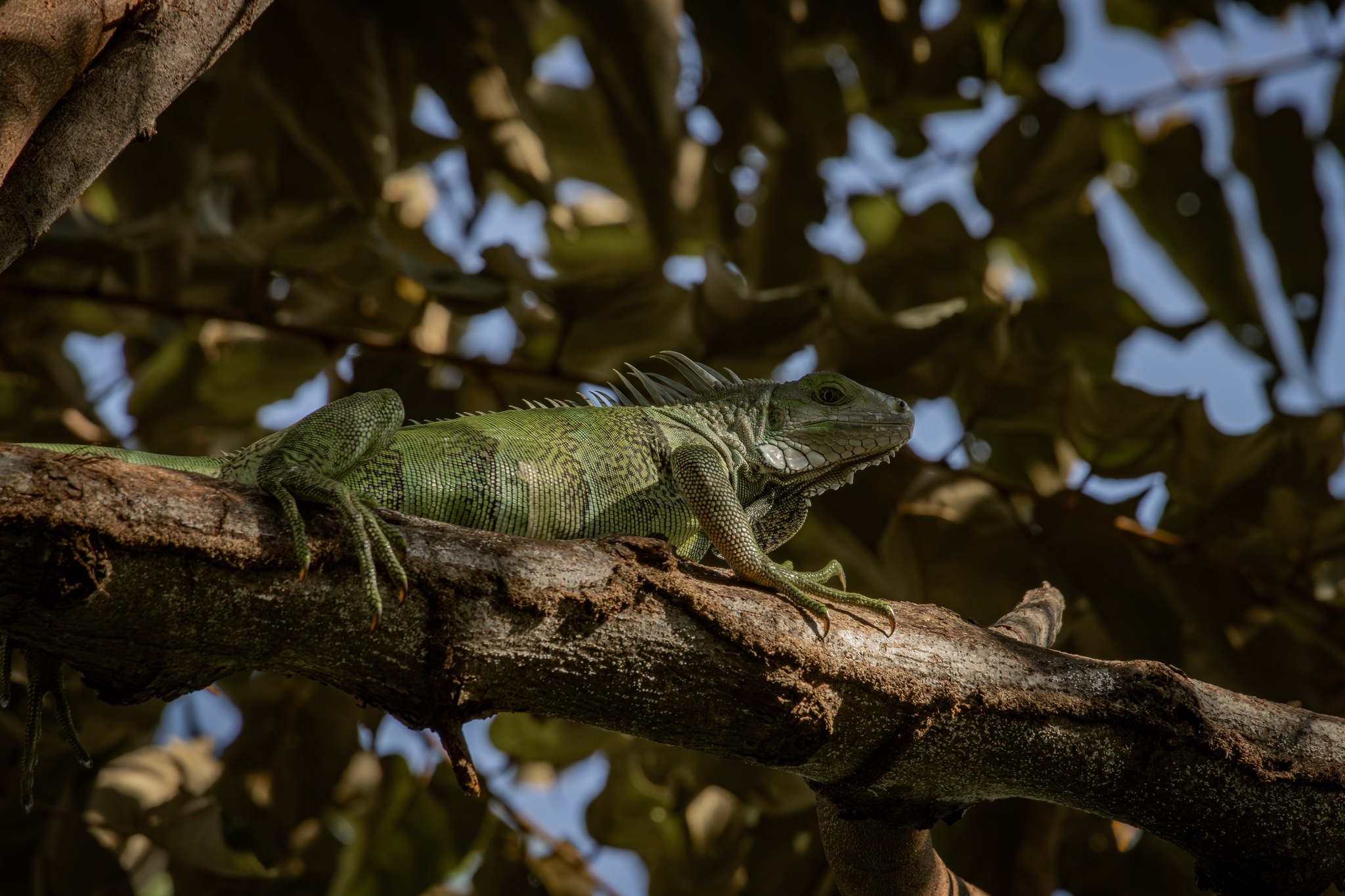
Villavieja (3.219951, -75.219055) es la puerta de entrada al Desierto de la Tatacoa y un destino lleno de historia, tradición y paisajes tranquilos. Su malecón (3.222635, -75.223458), ubicado a orillas del imponente Río Magdalena, ofrece uno de los mejores lugares para contemplar los atardeceres del Huila mientras las embarcaciones artesanales recorren lentamente el río. Caminar por este espacio permite conectar con la esencia del pueblo, rodeado de arquitectura típica y ambiente cálido. Además de su belleza natural, Villavieja conserva una fuerte identidad cultural ligada a la pesca y a la vida ribereña. Es un rincón ideal para quienes buscan naturaleza, calma y autenticidad en el corazón de Colombia. Nosotros, además de pasear por el malecón de Villavieja, realizamos un recorrido en bote por el Río Magdalena que, lamentablemente, resultó algo más decepcionante de lo esperado. Sin embargo, las pequeñas caminatas por la orilla compensaron completamente la experiencia, ya que nos permitieron observar distintas especies de aves, iguanas y otros animales propios del ecosistema ribereño.
Villavieja (3.219951, -75.219055) is the gateway to the Tatacoa Desert and a destination rich in history, tradition, and peaceful landscapes. Its riverside promenade (3.222635, -75.223458), located along the majestic Río Magdalena, is one of the best places to enjoy the sunsets of the Huila region while traditional boats slowly navigate the river. Walking through this area allows visitors to connect with the town’s authentic atmosphere, surrounded by local architecture and warm hospitality. Beyond its natural beauty, Villavieja preserves a strong cultural identity linked to fishing and riverside life. It is an ideal destination for travelers seeking nature, tranquility, and authenticity in the heart of Colombia. In addition to walking along the riverside promenade of Villavieja, we took a boat trip on the Río Magdalena which, unfortunately, turned out to be a bit disappointing. However, the short walks along the riverbank more than made up for it, as they allowed us to observe different bird species, iguanas, and other wildlife native to the riverside ecosystem.
2. Desierto de La Tatacoa: desierto rojo y zonas cercanas.
El Desierto Rojo de la Tatacoa (3.232645, -75.169144), en Villavieja, sorprende por sus intensos tonos rojizos y sus formaciones erosionadas que parecen sacadas de otro planeta. Este paisaje árido alberga especies adaptadas al calor extremo, como los cactus candelabro, las iguanas y aves típicas del bosque seco tropical. Entre los senderos también es posible observar serpientes, zorros y pequeños roedores que forman parte del delicado ecosistema de la región. Durante el amanecer y el atardecer, la luz transforma las montañas de arena y arcilla en un espectáculo de colores vibrantes. El silencio y la inmensidad del entorno convierten cada recorrido en una experiencia profundamente contemplativa. Visitar el Desierto Rojo es descubrir uno de los paisajes naturales más fascinantes de Colombia.
The Red Desert of Tatacoa (3.232645, -75.169144), located near Villavieja, amazes visitors with its deep red colors and eroded formations that look almost otherworldly. This arid landscape is home to species adapted to extreme heat, including candelabra cacti, iguanas, and birds native to the tropical dry forest. Along the trails, visitors may also encounter snakes, foxes, and small rodents that are part of the region’s fragile ecosystem. At sunrise and sunset, the light transforms the clay and sand hills into a breathtaking display of vibrant colors. The silence and vastness of the desert create a peaceful and contemplative atmosphere. Visiting the Red Desert means exploring one of the most extraordinary natural landscapes in Colombia.
3. Desierto de La Tatacoa: desierto gris y más.
El Desierto Gris de la Tatacoa (3.235693, -75.116612), ubicado también en las cercanías de Villavieja, ofrece un paisaje completamente distinto, marcado por tonos ceniza, formaciones laberínticas y profundas grietas moldeadas por el viento y el agua. Este sector del desierto destaca por su apariencia casi lunar y por la presencia de especies como búhos, lagartijas, cactus y arbustos resistentes a la sequía. Sus caminos estrechos permiten recorrer escenarios silenciosos donde la naturaleza revela toda su fuerza y antigüedad. Durante el día, las sombras crean contrastes espectaculares sobre las paredes de arcilla gris. El entorno transmite una sensación de calma absoluta y conexión con la tierra. Después de recorrer el Desierto Gris, continuamos nuestro viaje en coche rodeando todo el Desierto de la Tatacoa, disfrutando de carreteras rodeadas de cactus, montañas erosionadas y horizontes infinitos. Cada tramo del camino ofrece nuevas perspectivas de este paisaje único, donde los colores cambian constantemente con la luz del sol. El recorrido permite descubrir pequeños miradores naturales y sentir la inmensidad de uno de los destinos más sorprendentes de Colombia.
The Gray Desert of Tatacoa (3.235693, -75.116612), located near Villavieja, offers a completely different landscape characterized by ash-colored tones, labyrinth-like formations, and deep canyons shaped by wind and water over centuries. This area stands out for its almost lunar appearance and for the presence of species such as owls, lizards, cacti, and drought-resistant shrubs. Its narrow trails lead visitors through silent scenery where nature reveals its raw beauty and ancient history. During the day, the shadows create spectacular contrasts across the gray clay walls. The atmosphere conveys a deep sense of calm and connection with nature. After exploring the Gray Desert, we continued our journey by car around the entire Tatacoa Desert, enjoying roads surrounded by cacti, eroded hills, and endless horizons. Every section of the route revealed new perspectives of this unique landscape, where the colors constantly change with the sunlight. The drive also allowed us to discover small natural viewpoints and fully appreciate the vastness of one of Colombia’s most extraordinary destinations.
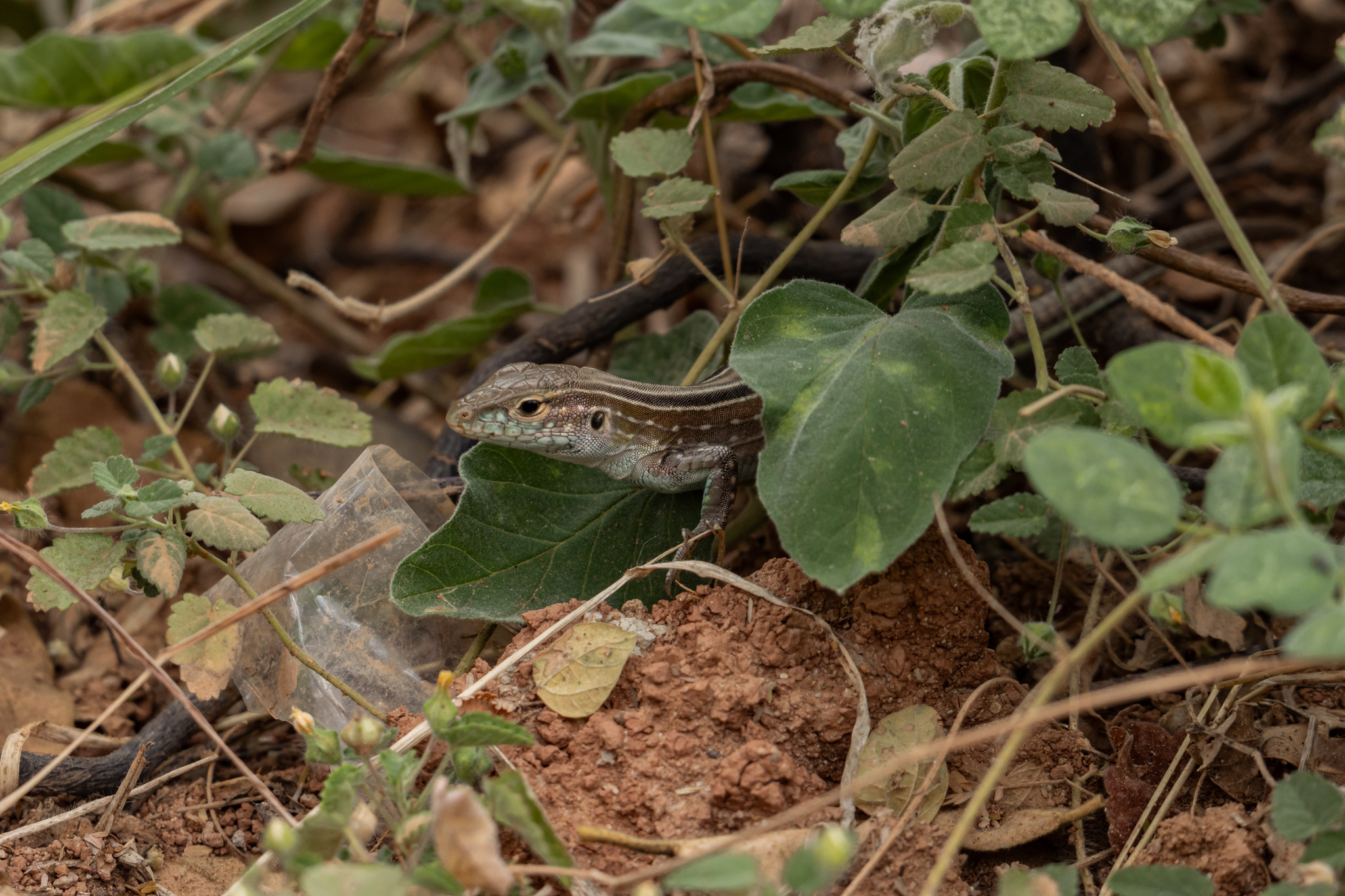
Y así finalizó nuestra visita al desierto de La Tatacoa, y última etapa del viaje a Colombia, con un total de 52 especies de aves observadas y tres de reptiles: varias iguanas verdes (Iguana iguana), un lobito verdiazul (Cnemidophorus gaigei) y un basilisco (Basiliscus basiliscus).
We wrapped up our visit to the Tatacoa desert, and last of our trip to Colombia, with a total count of 52 bird species and 3 reptiles species: several green iguanas (Iguana iguana), one Gaige's Rainbow Lizard (Cnemidophorus gaigei) and a basilisk (Basiliscus basiliscus).
domingo, 10 de mayo de 2026
AGOSTO 2025: COLOMBIA (8/9) - SALENTO Y VALLE DE CÓCORA
Etapas del viaje / Trip sections:
Desde el centro de visitantes Brisas, en el Parque Nacional Natural Los Nevados, nos esperaban unas 3 horas de carretera hasta llegar a Salento, una encantadora localidad situada más al sur y considerada el corazón turístico de la región cafetera. En esta zona destacan pueblos como el propio Salento, Filandia, Pijao o Circasia, todos ellos con sus características plazas de aire colonial, coloridas fachadas y una atmósfera que varía entre la tranquilidad rural y el animado ambiente turístico. Nuestro alojamiento durante las siguientes tres noches sería el Hotel El Jardín, un buen punto de partida para explorar tanto el patrimonio urbano de la región como algunos de sus espacios naturales más emblemáticos. Entre ellos sobresale el espectacular Valle de Cocora, situado a pocos kilómetros de Salento y famoso por sus inmensas palmas de cera y sus paisajes andinos.
From the Brisas visitor center in Los Nevados National Natural Park, we faced around a three-hour drive to reach Salento, a charming town further south and widely regarded as the tourist heart of Colombia’s Coffee Region. This area is home to beautiful towns such as Salento itself, Filandia, Pijao and Circasia, all of them known for their traditional colonial-style main squares, colorful architecture, and atmospheres that range from peaceful rural life to lively tourist scenes. We would spend the next three nights at Hotel El Jardín, an ideal base for exploring both the region’s urban heritage and its remarkable natural surroundings. Among them, the stunning Cocora Valley stands out, located just a short distance from Salento and famous for its towering wax palms and breathtaking Andean landscapes.
La crónica de viaje en eBird, el mapa de las principales zonas visitadas, y la lista completa de especies de aves observadas durante este viaje, puede encontrarse en este enlace.
The trip report in eBird, the map showing the main visited locations, together with the complete list of bird species observed in this trip, can be seen in this link.
1. Valle de Cócora.
El Valle de Cocora (4.639323, -75.484382) es uno de los paisajes naturales más emblemáticos de la región cafetera colombiana y una de las puertas de entrada al ecosistema andino de alta montaña. Sus laderas cubiertas de niebla albergan los famosos bosques de palma de cera, árbol nacional de Colombia, que puede superar los 60 metros de altura y crear un paisaje único en el mundo. La zona forma parte de un corredor ecológico de enorme valor para la biodiversidad, donde todavía sobreviven especies tan representativas como el cóndor andino o el esquivo oso de anteojos. Los senderos que atraviesan el valle permiten adentrarse entre bosques húmedos, ríos de montaña y praderas verdes rodeadas de cumbres andinas. Además de su espectacular belleza escénica, el valle desempeña un papel fundamental en la conservación de los recursos hídricos y de los ecosistemas de montaña del centro de Colombia. Aunque la afluencia de visitantes en el Valle de Cocora es enorme, creo que sigue siendo una visita absolutamente recomendable, especialmente si se exploran los senderos menos transitados, como el que recorre el fondo del valle, donde es más fácil disfrutar de la tranquilidad del paisaje y de una conexión más auténtica con la naturaleza. Además, a lo largo de la carretera de acceso al Valle de Cocora existen varios puntos donde merece la pena detenerse para observar fauna de interés, especialmente aves asociadas a los ríos andinos, entre ellas el emblemático pato torrentero.
Cocora Valley (4.639323, -75.484382) is one of the most iconic natural landscapes in Colombia’s Coffee Region and serves as a gateway to the high Andean mountain ecosystems. Its mist-covered hills are home to the famous wax palm forests, Colombia’s national tree, whose slender trunks can rise more than 60 meters high, creating a truly unique landscape. The area is part of an important ecological corridor that supports remarkable biodiversity, including species such as the andean condor and the elusive spectacled bear. Trails crossing the valley lead visitors through cloud forests, mountain streams, and lush green meadows surrounded by Andean peaks. Beyond its extraordinary scenery, the valley also plays a key role in preserving water resources and mountain ecosystems in central Colombia. Although Cocora Valley receives an enormous number of visitors, I still believe it is absolutely worth exploring, especially if you venture onto the quieter trails, such as the path that runs along the valley floor, where it is easier to experience the peaceful scenery and a more genuine connection with nature. In addition, along the access road to Cocora Valley there are several worthwhile stopping points for observing local wildlife, particularly bird species linked to Andean rivers, including the iconic Torrent Duck.
2. Jardín botánico del Quindío.
El Jardín Botánico del Quindío (4.510160, -75.651682) es uno de los espacios de conservación ambiental más interesantes de la región cafetera colombiana. Situado en las proximidades de Calarcá, este jardín protege una importante muestra de bosque andino y una extraordinaria diversidad de flora tropical. Uno de sus mayores atractivos es el mariposario, considerado uno de los más grandes de Colombia, donde pueden observarse numerosas especies de mariposas en un entorno seminatural. Los senderos del recinto permiten recorrer zonas de vegetación nativa, pequeños humedales y áreas especialmente diseñadas para la educación ambiental. Además de su valor paisajístico, el jardín desempeña un papel fundamental en la investigación y conservación de la biodiversidad del Quindío.
Quindío Botanical Garden (4.510160, -75.651682) is one of the most remarkable environmental conservation spaces in Colombia’s Coffee Region. Located near the town of Calarcá, the garden protects an important area of Andean forest along with an extraordinary diversity of tropical plant life. One of its main attractions is its butterfly house, considered one of the largest in Colombia, where visitors can observe numerous butterfly species in a semi-natural environment. The garden’s trails lead through native vegetation, small wetlands, and areas designed for environmental education. Beyond its scenic beauty, the botanical garden also plays a key role in biodiversity research and conservation in the Quindío region.
2. Filandia, Pijao y Circasia.
Las localidades de Filandia, Pijao y Circasia, al igual que Salento, conservan gran parte del encanto tradicional del paisaje cultural cafetero colombiano. Sus plazas principales, de marcado estilo colonial, constituyen el centro de la vida local y están rodeadas de coloridas casas con balcones de madera, fachadas decoradas y pequeños comercios tradicionales. Cada pueblo posee una personalidad distinta: Filandia destaca por su ambiente animado y sus miradores, Pijao por su tranquilidad y ritmo pausado, y Circasia por su autenticidad y menor afluencia turística. Pasear por sus calles permite descubrir cafeterías, artesanía local y rincones que reflejan la identidad cultural de la región. Más allá de su valor arquitectónico, estas localidades ofrecen una visión muy auténtica de la vida cotidiana en el eje cafetero colombiano.
The towns of Filandia, Pijao and Circasia, as happened also with Salento, preserve much of the traditional charm of Colombia’s Coffee Cultural Landscape. Their main squares, built in a distinctive colonial style, remain the heart of local life and are surrounded by colorful houses with wooden balconies, decorated façades, and small traditional shops. Each town has its own character: Filandia is known for its lively atmosphere and viewpoints, Pijao for its peaceful and slow-paced environment, and Circasia for its authenticity and lower tourist presence. Walking through their streets offers the chance to discover cafés, local crafts, and corners that reflect the cultural identity of the region. Beyond their architectural beauty, these towns provide an authentic glimpse into everyday life in Colombia’s coffee-growing region.
Nuestra visita a esta zona concluyó con 54 especies de aves observadas, lo cual no está mal considerando que se trata de una zona muy turística y que parte del tiempo lo dedicamos a visitas culturales. Además, observamos un agutí de Centroamérica (Dasyprocta punctata)
Our visit to this region ended with a total of 54 bird species observed, a good list considering that part of our time was dedicated to cultural visits. In addition, we observed a Central America Aguti (Dasyprocta punctata).
jueves, 7 de mayo de 2026
AGOSTO 2025: COLOMBIA (7/9) - PARQUE NACIONAL NATURAL LOS NEVADOS
Etapas del viaje / Trip sections:
A poco más de una hora y cuarto en coche desde la Reserva Ecológica Río Blanco, y a aproximadamente una hora de Manizales, comienza la visita al Parque Nacional Natural Los Nevados, hogar del imponente volcán Nevado del Ruiz. Durante la jornada dividimos el recorrido en varias paradas clave. La primera fue la Laguna Negra, un lugar en el que estuvimos poco tiempo, pero que nos dejó una impresión muy especial gracias a la belleza silenciosa de su paisaje andino. Después continuamos hasta el centro de visitantes Brisas, donde recorrimos el sendero de la parte alta y exploramos los alrededores de la zona de aparcamiento, siempre rodeados de espectaculares vistas de alta montaña (siempre que la niebla lo permita, claro). Desde aquí también es posible reservar excursiones al propio volcán, aunque en nuestro caso no pudimos hacerlo por falta de tiempo. Al mediodía descendimos hasta el hotel Termales del Ruiz para almorzar. Además de ser un alojamiento muy conocido de la zona, cuenta con un magnífico jardín que atrae a una gran variedad de colibríes, convirtiéndose en un lugar perfecto para detenerse y disfrutar de la naturaleza. Tras la visita regresamos nuevamente al centro de visitantes Brisas, con la intención de observar algunas de las especies que se nos habían escapado durante la mañana.
Just over an hour and fifteen minutes by car from Río Blanco Ecological Reserve, and around one hour from Manizales, begins the visit to Los Nevados National Natural Park, home to the iconic Nevado del Ruiz volcano. Throughout the day, we divided the experience into several key stops. Our first stop was Laguna Negra, a place where we only spent a short time, yet one that left a lasting impression thanks to the quiet beauty of its Andean landscape. We then continued to the Brisas Visitor Center, where we explored the trail along the upper section and wandered around the parking area, surrounded by spectacular high-mountain scenery (as long as the fog allows it, of course). From here, it is also possible to book excursions to the volcano itself, although we were unable to do so due to time constraints. Around midday, we descended to Termales del Ruiz Hotel for lunch. Besides being one of the best-known lodgings in the area, it features a beautiful garden that attracts a remarkable variety of hummingbirds, making it a perfect place to pause and enjoy nature. After the visit, we headed back up to the Brisas Visitor Center in the hope of spotting some of the species we had missed earlier in the morning.
La crónica de viaje en eBird, el mapa de las principales zonas visitadas, y la lista completa de especies de aves observadas durante este viaje, puede encontrarse en este enlace.
The trip report in eBird, the map showing the main visited locations, together with the complete list of bird species observed in this trip, can be seen in this link.
1. Laguna Negra.
La Laguna Negra (aparcamos en la pequeña tienda localizada en 4.980312, -75.335267, donde es posible tomar un te de coca para el mal de altura), situada en las proximidades del Parque Nacional Natural Los Nevados, es uno de esos rincones silenciosos y enigmáticos de la cordillera andina colombiana. Rodeada por paisajes de páramo y frecuentemente cubierta por niebla, destaca por el intenso color oscuro de sus aguas, que le da nombre. Su entorno de alta montaña alberga una flora única adaptada a las duras condiciones climáticas, así como numerosas especies de aves. Además de su belleza escénica, la laguna forma parte de un ecosistema fundamental para la regulación hídrica de la región. Es una parada breve pero muy especial para quienes recorren la zona del Nevado del Ruiz. Aquí es posible divisar cerceta andina, y con suerte algunas rapaces, como águila mora o busardo dorsirrojo.
Laguna Negra (we parked at the small shop located at 4.980312, -75.335267, where it is possible to have coca tea to help with altitude sickness), located near Los Nevados National Natural Park, is one of the most silent and mysterious corners of the Colombian Andes. Surrounded by páramo landscapes and often covered in mist, it stands out for the deep dark color of its waters, which gives the lagoon its name. Its high-altitude environment is home to unique flora adapted to harsh mountain conditions, as well as a rich variety of birdlife. Beyond its scenic beauty, the lagoon is part of a vital ecosystem that helps regulate water resources throughout the region. Although usually a short stop on the route to Nevado del Ruiz, it leaves a lasting impression on nature lovers. Here it is possible to see andean teal, and with some luck some raptors, as Black-chested Buzzard-eagle or Variable Hawk.
2. PNN Los Nevados - Centro de Visitantes Brisas (4138 m).
El Centro de Visitantes Brisas (4.933683, -75.349991) es uno de los principales puntos de acceso al Parque Nacional Natural Los Nevados. Situado en un entorno de alta montaña, ofrece impresionantes vistas de los paisajes andinos y del propio volcán Nevado del Ruiz en días despejados. Desde aquí parten algunos de los senderos interpretativos que permiten conocer la biodiversidad del páramo. También es el lugar donde se gestionan las visitas guiadas hacia zonas más elevadas del parque. Es una parada clave para entender la importancia ecológica y geológica de la región. Las especies estrella aquí son el colibrí chivito del Nevado del Ruiz y el tijeral andino.
The Brisas Visitor Center (4.933683, -75.349991) is one of the main access points to Los Nevados National Natural Park. Located in a high-mountain setting, it offers stunning views of the Andean landscapes and, on clear days, of the Nevado del Ruiz volcano itself. Some of the interpretive trails that showcase the páramo’s biodiversity start from here. It is also where guided visits to higher areas of the park are organized. This is an essential stop for understanding the ecological and geological importance of the region. The star species here are the Buffy Helmetcrest and the Andean Tit-Spinetail.
3. Hotel Termales del Ruiz.
El Hotel Termales del Ruiz (4.970390, -75.378297) se encuentra en un entorno privilegiado de alta montaña, en las cercanías del Parque Nacional Natural Los Nevados. Es conocido por sus aguas termales naturales, que ofrecen una experiencia de relajación única en medio del paisaje andino. Sus jardines están especialmente cuidados y atraen a numerosas especies de colibríes (entre otros, colibrí de Herrán, colibrí cobrizo, inca alihabano, o colibrí aliazul), convirtiéndolo en un pequeño paraíso para la observación de aves. Además de su valor paisajístico, es un excelente lugar para hacer una pausa durante la visita al Nevado del Ruiz. Combina confort, naturaleza y biodiversidad en un mismo espacio.
Termales del Ruiz Hotel (4.970390, -75.378297) is located in a privileged high-mountain setting near Los Nevados National Natural Park. It is well known for its natural hot springs, offering a unique relaxation experience surrounded by Andean landscapes. Its gardens are carefully maintained and attract numerous hummingbird species (among others, Rainbow-bearded Thornbill, Shining Sunbeam, Buff-winged Starfrontlet, or Great Sapphirewing), making it a small paradise for birdwatching. Beyond its scenic appeal, it is an excellent place to take a break during a visit to Nevado del Ruiz. It combines comfort, nature, and biodiversity in a single location.
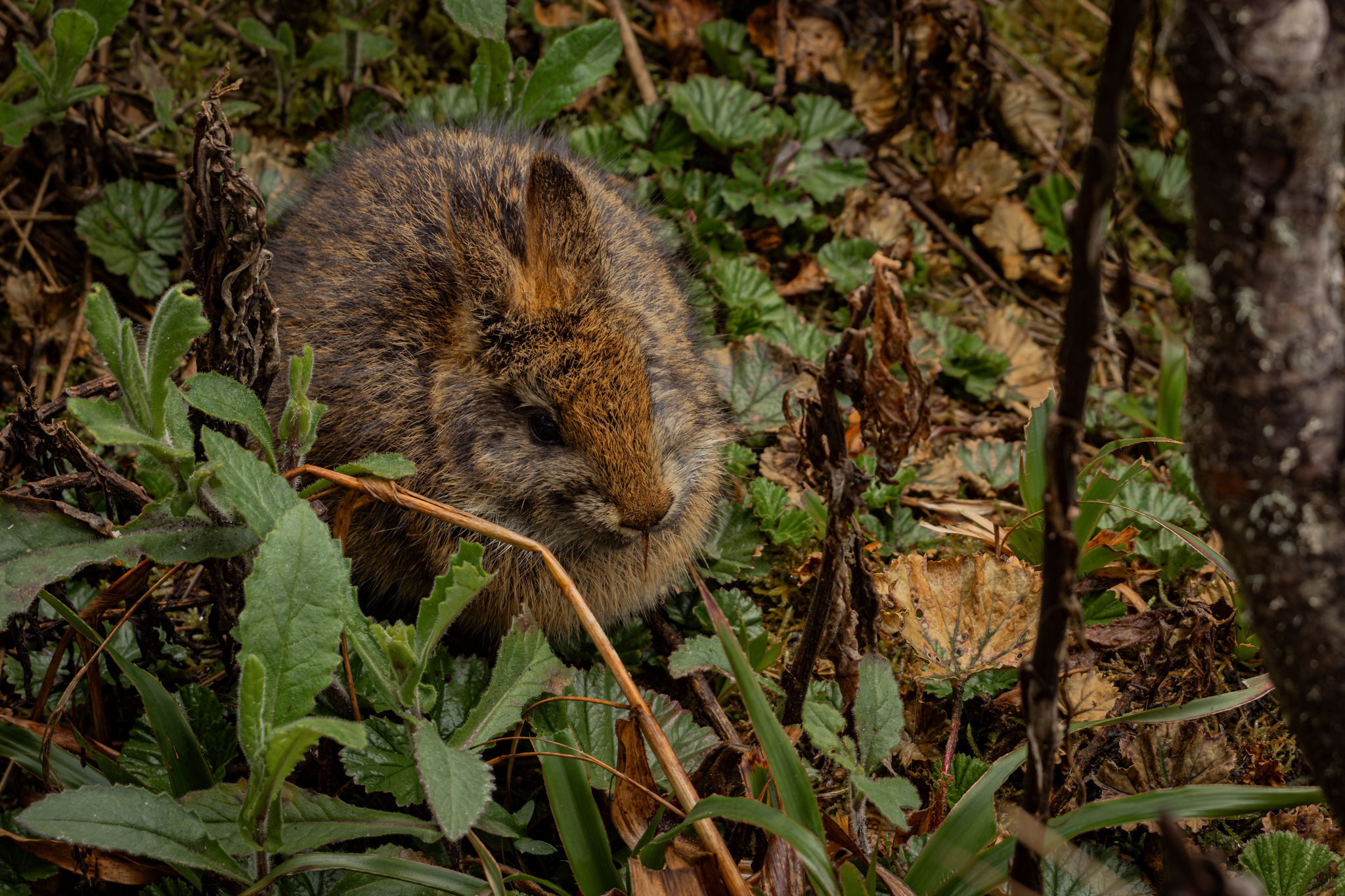
Aunque la jornada concluyó con un número reducido de especies de aves (21), debido al tiempo limitado del que disponíamos, la mayoría resultaron ser nuevas para nosotros. Además, observamos varios conejos andinos (Sylvilagus andinus).
Although the day ended with a relatively low number of bird species (21) due to the limited time available, most of them were new to us. In addition, we observed several Andean tapetis (Sylvilagus andinus).
Suscribirse a:
Entradas (Atom)